
FAQs
Men's Health Nutrition Questions Answered Here

What dietary changes improve men's health?
Proper nutrition forms the foundation of men's wellness. A balanced diet rich in lean proteins, whole grains, and healthy fats supports muscle development, energy levels, and cardiovascular health. Including nutrient-dense foods like salmon, eggs, spinach, and nuts provides essential vitamins and minerals. Regular physical activity combined with smart eating habits creates sustainable results. Our nutritionists recommend focusing on consistent meal planning rather than extreme restriction.
Why is nutrition important for men's health?
Men face unique nutritional challenges including higher calorie requirements, specific micronutrient needs, and metabolic changes with age. Proper nutrition directly impacts energy, mental clarity, immune function, and sexual health. A well-planned diet prevents chronic diseases like diabetes and heart disease. Investing in nutrition now saves health complications later. Many men overlook the connection between daily eating habits and long-term wellness outcomes.
What are the key nutritional components for optimal male wellness?
Essential components include adequate protein for muscle maintenance, complex carbohydrates for sustained energy, healthy fats for hormone production, and micronutrients like zinc and magnesium. Hydration often gets overlooked but significantly impacts physical performance and cognitive function. Fiber supports digestive health and cardiovascular wellness. Antioxidants from colorful vegetables protect cellular health. Our experts recommend a personalized approach based on individual fitness goals and health status.
How does protein intake affect men's fitness goals?
Protein is crucial for building and maintaining lean muscle mass, which naturally declines with age. Men aiming for fitness gains need approximately 1.6 to 2.2 grams per kilogram of body weight daily. Quality sources include chicken, fish, Greek yogurt, legumes, and plant-based options. Timing protein intake around workouts optimizes muscle recovery and growth. Adequate protein also increases satiety, supporting weight management efforts. Individual needs vary based on activity level and training intensity.
What supplements should men consider for better health?
While whole foods should form your nutrition base, certain supplements fill nutritional gaps. Vitamin D supports bone health and immune function, especially for men with limited sun exposure. Omega-3 fatty acids promote heart and brain health. Magnesium improves sleep quality and muscle recovery. Zinc supports reproductive health and immune function. Always consult a nutritionist before starting supplements to ensure they align with your health goals and medications.
How can men optimize their metabolism naturally?
Metabolism can be enhanced through consistent strength training, which builds muscle tissue and increases resting metabolic rate. Regular physical activity, adequate sleep, and stress management all support healthy metabolism. Eating protein-rich meals boosts thermogenesis, the calories burned during digestion. Staying hydrated maintains optimal metabolic function. Reducing processed foods and added sugars prevents metabolic slowdown. These lifestyle changes create lasting improvements without relying on stimulants or extreme measures.
Additional nutrition insights tailored specifically for men's wellness
How does sleep affect men's nutritional needs?
Quality sleep directly influences hunger hormones and dietary choices. Poor sleep increases cravings for high-calorie, nutrient-poor foods and disrupts metabolism. Men sleeping less than seven hours daily show reduced testosterone levels and increased cortisol. Establishing consistent sleep schedules supports nutritional goals. Avoiding heavy meals before bedtime and limiting caffeine after 2 PM improves sleep quality. Sleep and nutrition work together to optimize physical performance and mental health.
What role does hydration play in men's wellness?
Water is essential for every bodily function including muscle recovery, joint lubrication, and cognitive performance. Men typically need more water than women due to higher muscle mass and metabolic rates. Proper hydration improves workout performance, reduces injury risk, and supports nutrient absorption. Thirst is not always a reliable indicator of hydration needs. Most men benefit from drinking eight to ten glasses daily, adjusting for activity level and climate. Monitor urine color as a hydration indicator.
Which foods specifically boost testosterone and male vitality?
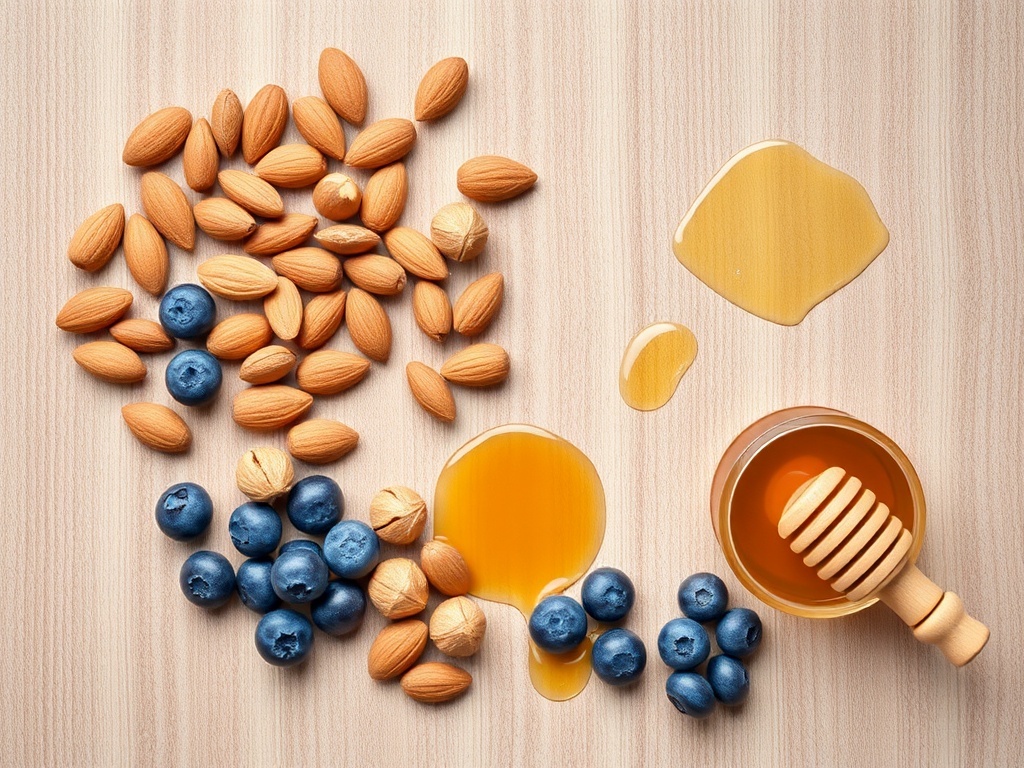
Zinc-rich foods like oysters, beef, and pumpkin seeds support testosterone production. Vitamin D from fatty fish, eggs, and sunlight exposure maintains hormonal balance. Cruciferous vegetables like broccoli contain compounds that support hormonal health. Berries and dark chocolate provide antioxidants improving blood flow and sexual function. Healthy fats from avocados and nuts support hormone synthesis. Foods rich in L-arginine like nuts and seeds promote cardiovascular health. These foods work best within a comprehensive nutrition strategy.
How should men adjust nutrition as they age?
Nutritional needs change throughout life, requiring strategic adjustments. Younger men often focus on muscle building, while older men prioritize bone health and disease prevention. Calcium and vitamin D become increasingly important for bone density after thirty-five. Metabolic rate declines with age, requiring careful portion control. Men over fifty benefit from increased fiber intake and antioxidant-rich foods. Regular nutritional assessments help identify changing needs. Working with a nutritionist ensures age-appropriate strategies.
What nutrition strategies prevent chronic disease in men?
Heart disease remains the leading cause of death in men, yet proper nutrition can significantly reduce risk. Mediterranean-style diets emphasizing fish, vegetables, and healthy oils show strong protective effects. Limiting sodium and refined carbohydrates prevents hypertension and diabetes. Foods high in fiber help manage cholesterol and blood sugar. Antioxidants from colorful produce combat inflammation underlying chronic diseases. Regular meals prevent blood sugar spikes. Consistent healthy eating creates disease-preventing benefits over time.
How can men build sustainable healthy eating habits?
Sustainable change starts with realistic, gradual adjustments rather than drastic overhauls. Meal planning and preparation reduce poor food choices and save time. Identifying personal motivation beyond appearance creates lasting commitment. Understanding food labels enables informed decisions. Finding enjoyable healthy recipes makes nutritious eating pleasurable. Tracking progress without obsession maintains motivation. Building community support with friends or online groups increases accountability. Small consistent improvements compound into permanent lifestyle changes.


Receive your personalized nutrition assessment
Our certified nutritionists have over twenty years of experience